
How Much Does Camping Gear Actually Cost in Greece (2026)?
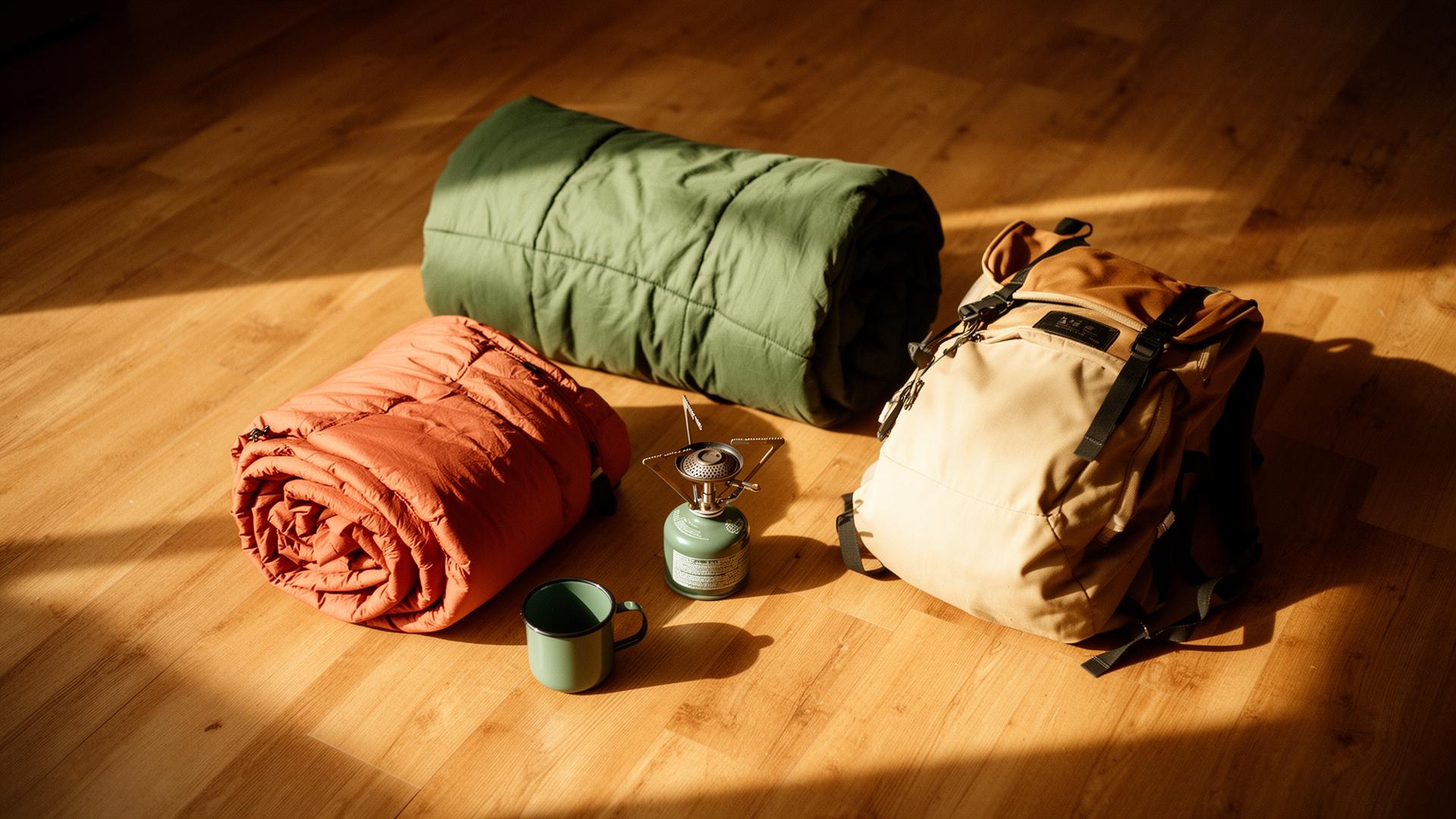
You've decided to go camping. Maybe a weekend on Mount Olympus, a few nights by a beach in the Peloponnese, or a quiet trip into the forests of Epirus. Then you open a gear shop's website, start adding things to your basket, and the total climbs faster than the trail itself.
So what does it really cost to kit yourself out for camping in Greece in 2026? Let's break it down honestly — item by item — and then look at when that spend is worth it and when it simply isn't.
The core kit: what you actually need
Forget the influencer setups for a moment. A functional camping kit for one or two people in Greece comes down to a handful of essentials.
Tent
A decent 2-person tent that will survive a Greek summer — and the occasional surprise mountain storm — runs from around €70 for an entry-level model to €250 or more for something light and durable. Cheaper tents exist, but they tend to leak, sag, or fall apart after a season.
Sleeping bag
Expect €40 to €120 per bag, depending on the temperature rating. A summer bag is cheap; a three-season or winter bag costs more because the insulation is doing real work. For Greek summers a light bag is fine, but spring and autumn nights in the mountains get colder than people expect.
Sleeping mat
A foam mat costs as little as €15. An inflatable mat that actually lets you sleep runs €40 to €90. This is the item people skimp on and regret at 3 a.m.
Stove and cookset
A basic gas stove is €25 to €50, and a simple cookset adds another €25 to €40. Add the gas canisters themselves and you're looking at a small but real recurring cost.
The extras
Headlamp, lantern, camp chairs, a cool box, a proper backpack — none of these are huge on their own, but together they quietly add €100 to €200 to the total.
Adding it up
Put the essentials together and a realistic first-timer's kit for two people lands somewhere between €350 and €700. Go premium — lightweight tent, good bags, quality stove — and you can comfortably pass €1,000.
That's a serious amount of money for equipment that, for most people, will be used a handful of times a year.
The hidden cost nobody mentions: storage and time
The price tag isn't the whole story. Once you own all this gear, you have to store it — bulky tents and bags eating up closet or balcony space in a Greek apartment where space is already tight. You have to maintain it: airing out the tent so it doesn't grow mould, checking the stove, replacing worn straps. And you have to research and buy it in the first place, which for a beginner means hours of comparing models you don't yet understand.
Gear has a cost beyond its price. It has a cost in space, upkeep, and attention.
So when does buying make sense?
Buying is the right call if you camp often — say, more than six or seven trips a year — or if you camp in demanding conditions where you need gear you know and trust. Frequent campers spread the cost of ownership across many nights, and at some point renting every time would cost more than owning.
If that's you, buy good gear once and look after it. The maths is on your side.
And when does it not?
For most people, the honest answer is that they camp two or three times a year. Maybe a summer trip with friends, maybe one weekend in the off-season. For that pattern, spending €500 on gear works out to a punishing cost per night — and the equipment spends the other 50 weeks of the year doing nothing but taking up space.
This is the gap that gear-sharing fills. Instead of buying a full kit for a couple of trips, you rent a ready-to-go pack from someone nearby who already owns quality gear — and they earn from equipment that would otherwise sit idle. You get the experience without the ownership; they get income without the waste.
It's the same logic that made people comfortable renting a holiday home instead of buying one for two weeks a year. The trip matters. Owning the stuff that enables it often doesn't.
The bottom line
Camping gear in Greece in 2026 costs real money — €350 to €700 for a basic two-person setup, more if you go light and durable. If you camp often, that's an investment that pays off. If you camp occasionally, it's a lot of money and closet space tied up in something you'll barely touch.
Before you fill that basket, it's worth asking a simple question: do you want to own the gear, or do you just want to go camping?
Keep reading
More honest writing from the ShareYourPack journal.